Dealer vs. Independent Shop: Will Using a Local Mechanic Void My Warranty?
No. Getting your oil changes, brakes or other routine work done at an independent repair shop won't void your car's warranty. Under the federal Magnuson-Moss Warranty Act, the FTC says it's illegal for a dealer to deny your warranty coverage because someone else did your maintenance or repairs. Aftermarket parts don't void it either. Keep your receipts, and take warranty repairs and recalls to the dealer, where they're free.
Below is what the law says, what still belongs at the dealer, and how a family shop like ours compares. It's written for two kinds of drivers: people whose car is still under the factory warranty, and people whose warranty just ran out.
What the law says
Congress passed the Magnuson-Moss Warranty Act in 1975. It sets the rules for written warranties on consumer products, and that includes cars. One section bans "tie-in" conditions: a company can't make your warranty depend on using a part or service sold under a particular brand or company name (15 U.S.C. §2302(c)).
The FTC's guide to auto warranties puts it in plain English:
- You don't have to use the dealer for repairs or maintenance to keep your warranty in effect.
- It's illegal for a dealer to deny your warranty coverage because you had routine maintenance or repairs done by someone else.
- Your warranty stays in effect if you use aftermarket parts (made by a company other than your carmaker) or recycled parts.
There's one exception. If the warranty says the work or the parts will be free, the dealer or manufacturer can make you use the repair shop or parts it chooses. That's why covered repairs still go to the dealer.
When a warranty claim can be denied
Using an independent shop doesn't void the warranty. A bad repair, though, can cost you coverage for whatever it damages. The FTC's example is a defective aftermarket part, or a part that wasn't installed correctly, that damages a part the warranty covers. In that case the manufacturer or dealer can deny coverage for the damaged part and charge you for the repair.
Two things work in your favor:
- They have to prove it. The FTC says the manufacturer or dealer must show the aftermarket or recycled part caused the damage before denying coverage.
- It's that part, not the whole warranty. The denial covers the damaged part. Everything else stays under warranty.
The other way to lose a claim is having no proof of maintenance. The FTC warns that the warranty company could ask for your maintenance records, and without them your claim might be denied. So where you get maintenance done matters less than whether it's done right and written down.
Keep your receipts
The FTC suggests keeping records of oil changes, tire rotations, belt replacements, new brake pads and inspections. A receipt is most useful later if it shows:
- The date and your mileage
- Your car's year, make and model, or its VIN
- What was done, plus the parts and fluids used (for example, the oil type and weight)
- The shop's name and address
What still goes to the dealer
Warranty repairs
If a part your factory warranty covers fails, take it to the dealer. The warranty pays for that repair, so the manufacturer can choose where it's done. There's no reason to pay any shop, including ours, for a repair your warranty covers.
Our own warranty works the same way for our work. Repairs here come with a 24-month/24,000-mile warranty, honored at our shop. If a warranty repair is for work we did, our warranty covers it at no cost.
Safety recalls
Recall repairs are free at the dealer. NHTSA tells owners to contact their local dealership to fix the recalled part for free. To check your car, enter your license plate or 17-character VIN at nhtsa.gov/recalls. The VIN is on the lower left of your windshield and on your registration card.
The lookup won't show recalls that were already repaired, some newly announced ones, or recalls more than 15 years old unless the manufacturer offers longer coverage. NHTSA suggests checking twice a year.
Extended warranties and service contracts
An "extended warranty" you paid extra for is usually a service contract, and the FTC notes it isn't a warranty as defined by federal law. The contract sets the rules. Some let you choose from several repair shops. Others make you use the dealer that sold you the car. Some also require you to follow all of the manufacturer's maintenance recommendations, and skipping them could void the contract. Read yours before you book anything.
Dealer vs. independent shop: an honest comparison
This isn't about dealers being bad. Some jobs belong there. Here's how the two compare for a car owner in Springfield:
| Dealer service department | Rolling Road Sunoco | |
|---|---|---|
| Factory warranty repairs and recalls | Yes, free | No. We'll send you to the dealer |
| Routine maintenance (oil, brakes, filters, fluids) | Yes | Yes, and it won't void your warranty |
| Makes serviced | Mainly the brands it sells | 31 makes, domestic and import |
| How maintenance gets recommended | Often by the factory mileage schedule | We inspect first, then recommend what's needed |
| Warranty on the work | Varies by dealer | 24-month/24,000-mile warranty, honored at our shop |
| Dropping off your car | Varies by dealer | Walk-ins, 24/7 key drop box, courtesy shuttle |
Mileage schedule vs. inspect first
This is the biggest difference we see. In our experience, dealers often recommend "factory scheduled maintenance" based on the odometer alone, without actually checking the car. A common example is calling for a fluid replacement because the car hit a certain mileage, even though the fluid isn't dirty.
We do it the other way around. We check the car first and recommend only what it needs. If something can wait, we'll tell you. If your car is still under warranty, we'll also point out anything your owner's manual calls for at that mileage, so your records stay complete. Every oil change here includes a multi-point inspection, so you see what condition the car is actually in.
Which makes sense for your car
Still under the factory warranty:
- Routine maintenance: any shop you trust, including ours. Follow your owner's manual and keep every receipt.
- Covered repairs and recalls: the dealer, for free.
- Bought an extended warranty? Check the contract for where you're required to get service.
Past the factory warranty:
- There's no warranty reason left to stay with the dealer. Choose a shop for honesty, convenience and the warranty it puts on its own work.
- Stay on top of preventative maintenance. As a Virginia inspection station, we don't see any make or model fail more often than the others. What decides it is how well the car has been kept up.
- When the check engine light comes on, get a real diagnosis before replacing parts.
- Keep checking for recalls. Recall repairs are still free at the dealer.
Our family has run this shop on Rolling Road since 1990, and our technicians are ASE-certified. Not sure what your car is due for? Call us at (703) 569-9233 and ask.
Quick answers
Do I have to use the carmaker's own parts?
No, unless the warranty gives you those parts for free. The FTC says your warranty stays in effect with aftermarket or recycled parts. A part that's defective or installed wrong can still cost you coverage for what it damages, so the quality of the work matters.
What if a dealer tells me my warranty is void because I went somewhere else?
The FTC asks people to report it if they're told a warranty will be void, or was voided, because they used a third-party part or an independent repair shop. You can file at ReportFraud.ftc.gov. This post explains the rule but isn't legal advice. For a specific dispute, contact the FTC, your state attorney general or a lawyer.
Can I go back to the dealer later?
Yes. Using an independent shop for maintenance doesn't stop you from going to the dealer for recalls, warranty repairs or anything else.
Sources
- Federal Trade Commission, Auto Warranties and Auto Service Contracts (April 2024)
- Federal Trade Commission, FTC says companies' warranty restrictions were illegal (July 2022)
- Federal Trade Commission, Businessperson's Guide to Federal Warranty Law
- 15 U.S.C. §2302, Rules governing contents of warranties, Legal Information Institute, Cornell Law School
- National Highway Traffic Safety Administration, Check for Recalls
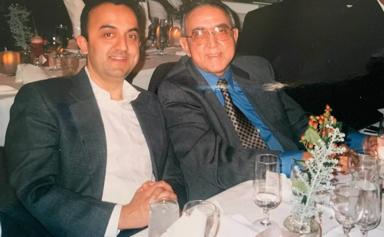
Ali, Owner & Service Manager
Ali runs Rolling Road Sunoco Automotive, the family shop his father founded on Rolling Road in 1990. He and our ASE-certified team have spent more than three decades keeping Springfield, Burke and West Springfield drivers on the road.
Related Services
Need a Hand With Your Car?
Walk-ins welcome at 6381 Rolling Rd, Springfield, VA 22152. Drop off any time with our 24/7 key drop box.